Neolithic

About Me          |          Resume          |          Contact Me          |          GitHub


C++      OpenCL      C#


GitHub 

Neolithic is an application for Game Designers that want a realistic, populated world to build their game in. Neolithic uses graphics card computing to simulate human growth and development on a procedurally generated landscape. Users can take the world they generate in Neolithic and easily port it to a Unity project for game development.

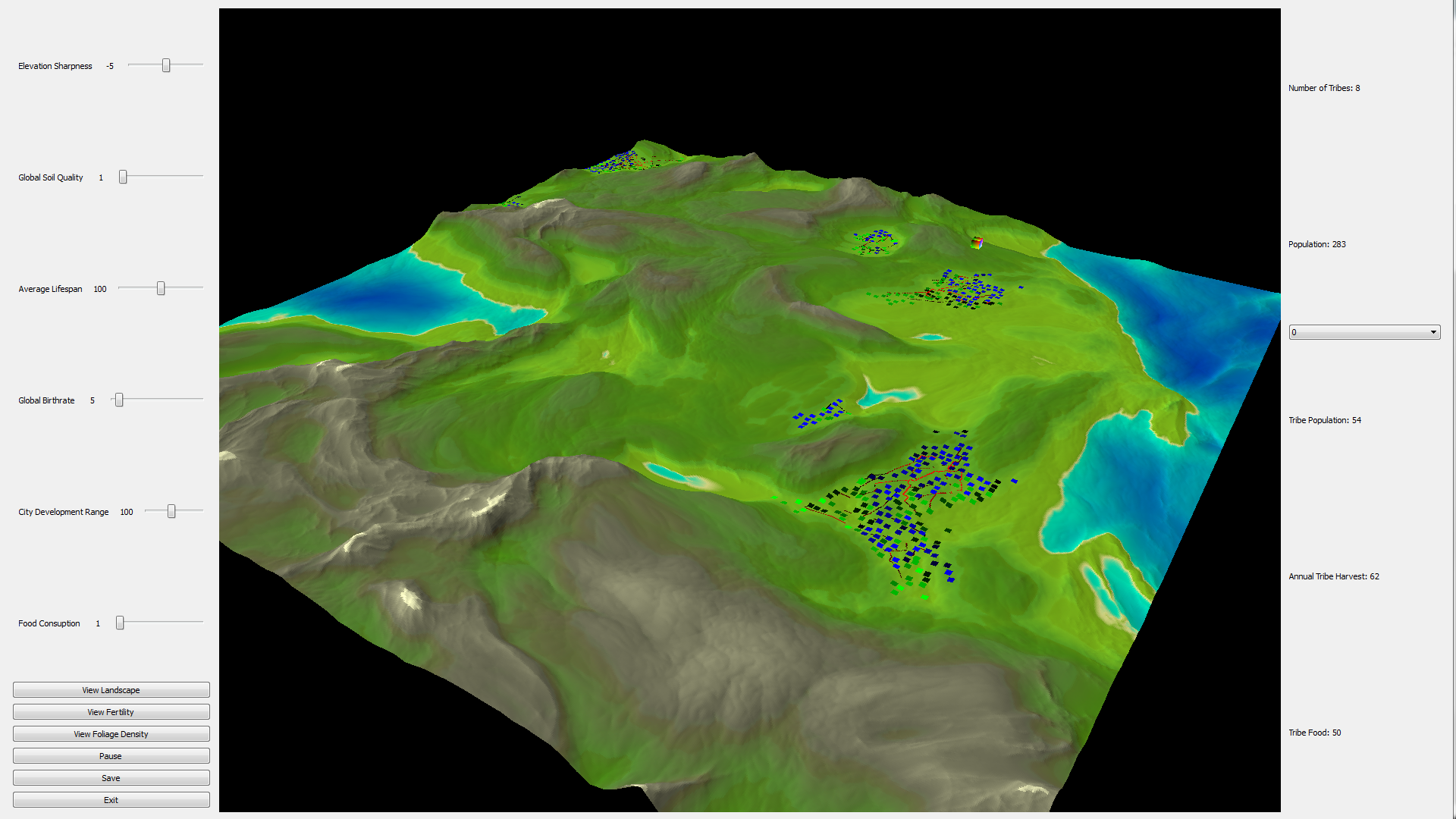
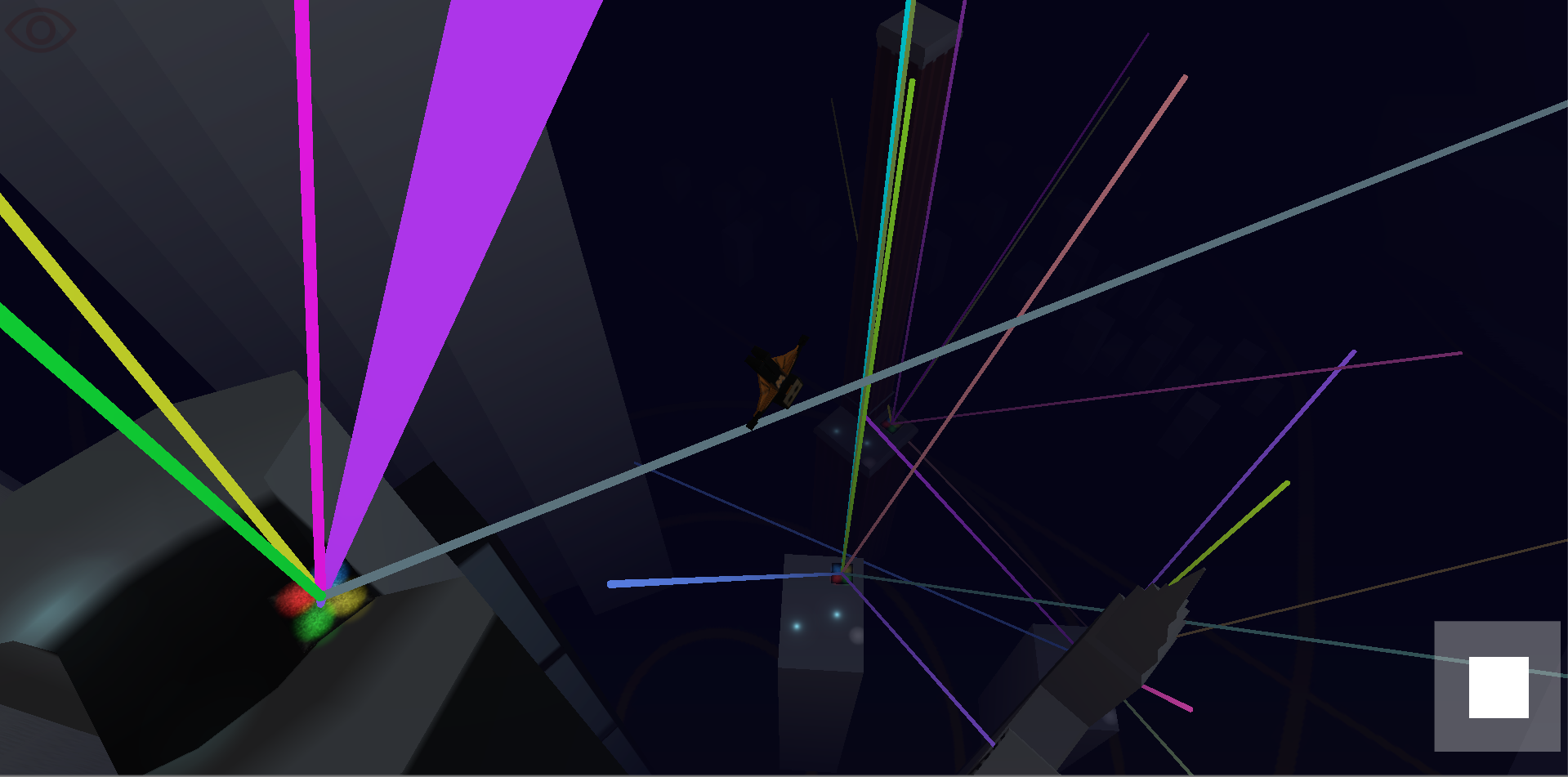
Here you can see the Neolithic world editor, where the user can adjust values that affect the simulation. Houses, roads, and farms are represented on the 3D world map as different colored squares and lines. Blue represents houses; green, farms; and red, roads.

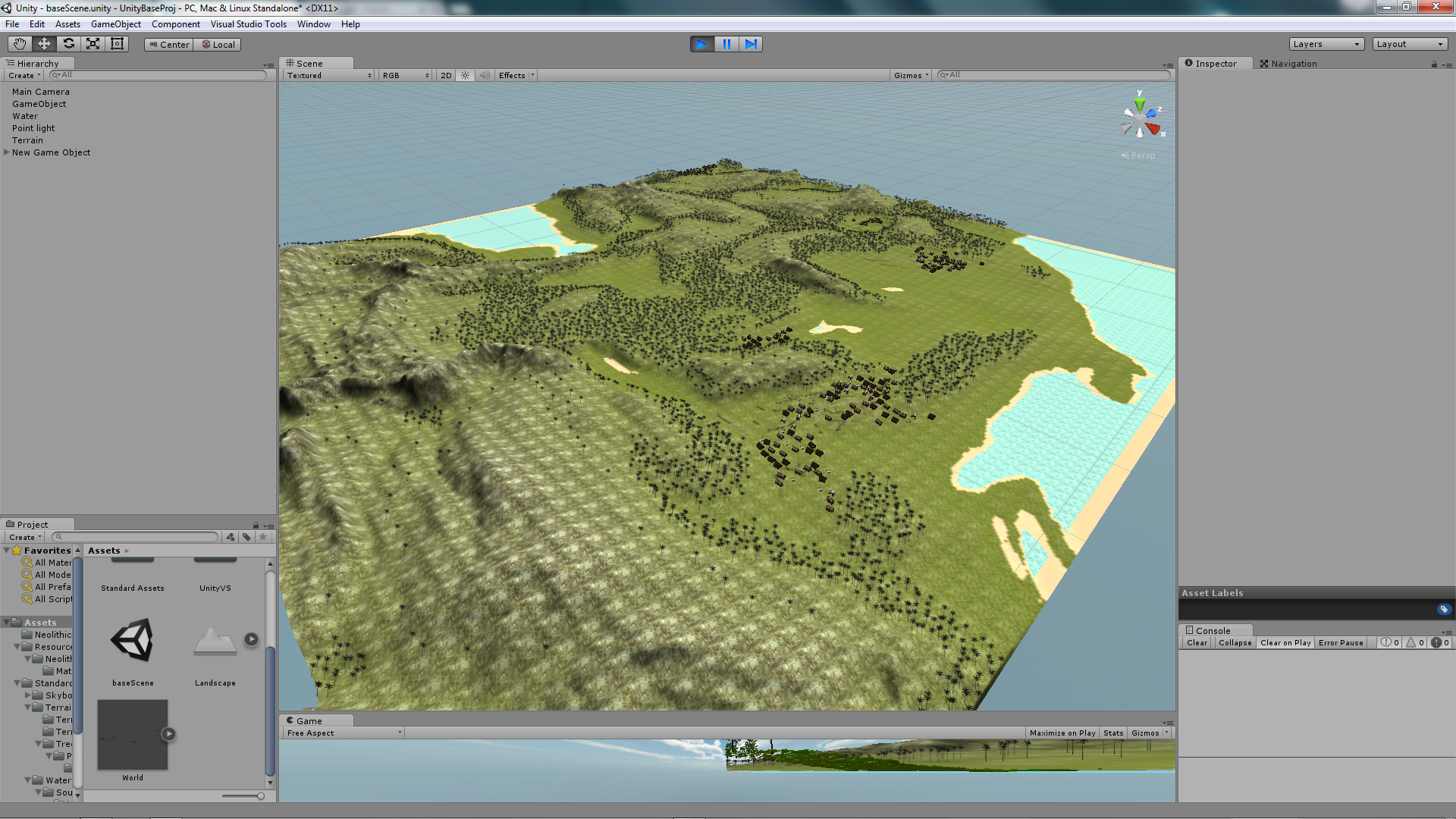
Below you can see how the simulation corresponds to game objects in the Unity editor.

Neolithic1Neolithic2

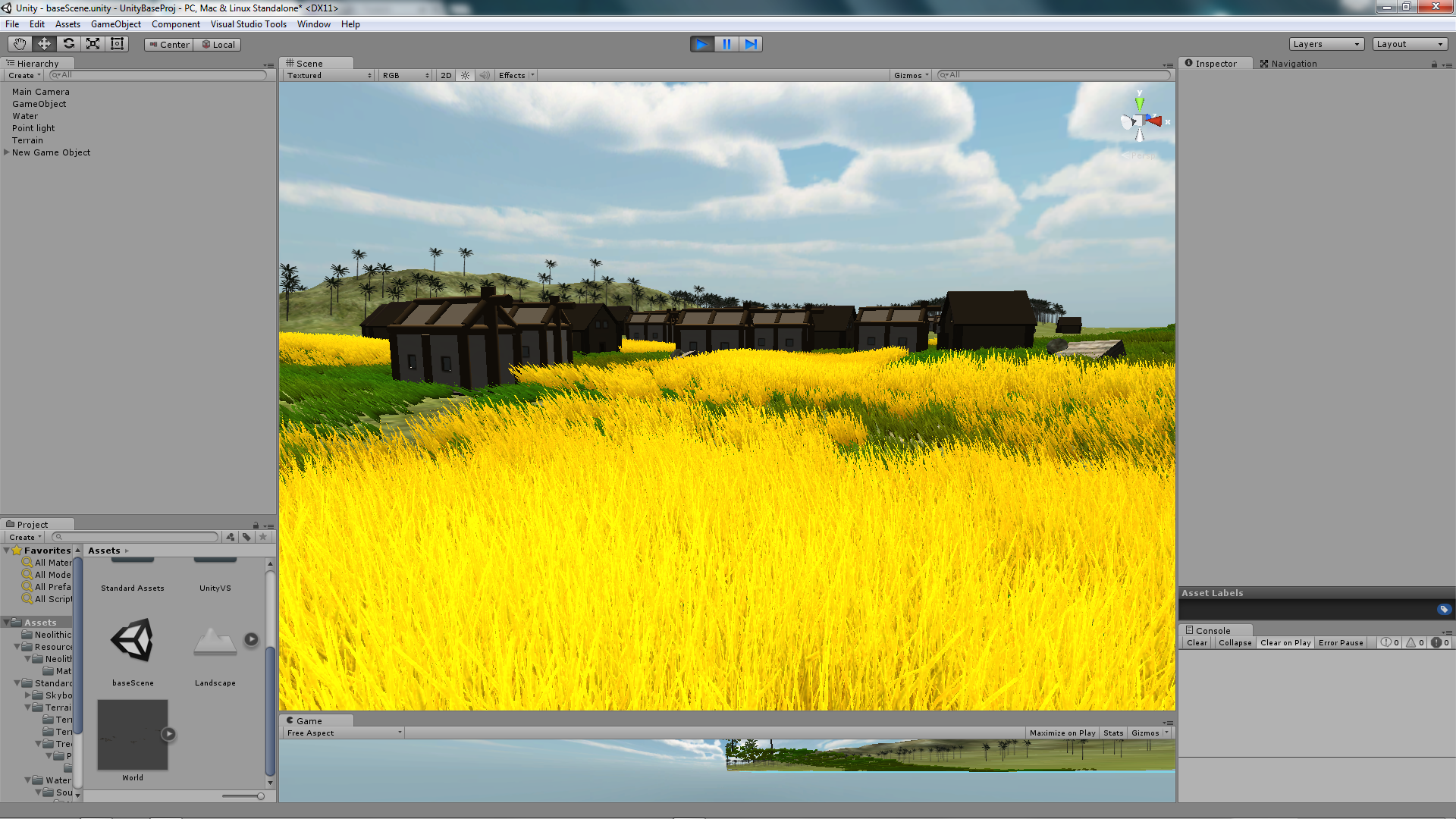
Landscape information from the simulation such as forest density and soil fertility have an effect on both the simulation and the landscape produced in Unity. Below you can see how forest density information from the Neolithic editor can be seen in the Unity editor as actual tree density.

Neolithic5Neolithic4

The landscape generating script in the Unity editor uses whatever textures and prefabs the user places in the “Neolithic Resources” folder, allowing game designers to tailor the details of the world to their preferences.

Neolithic3

Wingman

About Me          |          Resume          |          Contact Me          |          GitHub


C#     Unity     Maya


 GitHub

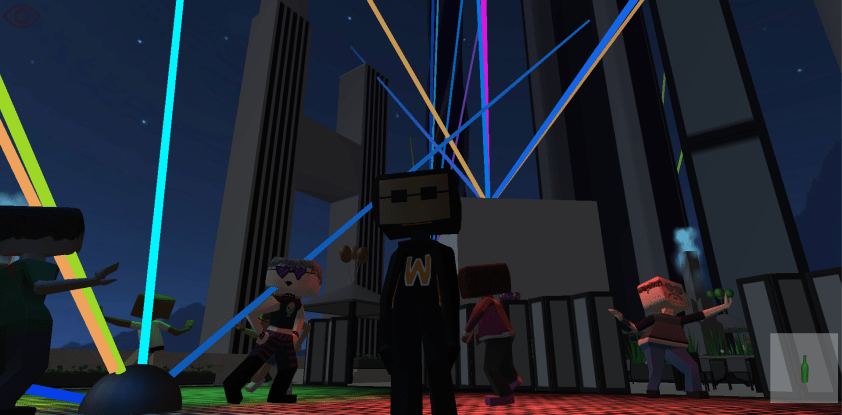
You are the Wingman, a suave master of manipulation and wingsuit enthusiast. Flying around the city at night, you look for lonely souls longing to meet their other half. However, there are people who do not approve of Wingman’s acts of heroism, so you must accomplish your missions in the shadows. Through stealth, cunning, investigation, and pure charm, you must help those in need and save the world from the chains of loneliness.

Wingman is a product of Studio Unleashed, a team of 5. It was built in Unity as a comedic third-person, stealth-based, action-adventure game.

wingman2

Gliding with a wingsuit is one of Wingman’s central mechanics. Not only is it the main character’s means of transportation, the idea of gliding into a rooftop party via wingsuit is an important source of this game’s whimsical nature.

I programmed the aerodynamics and flight controls to make gliding between parties an exhilarating ride that felt natural and fun. I made transitioning between flying and walking seamless, resulting in a design that makes the player feel completely free even when they aren’t in the air.

wingman4

While at a party, the Wingman’s main goal is to unite the client with their soulmate. However, there are several side quests that the player can find by talking to party guests. Through sometimes absurd goals and comedic dialogue, these quests help remind the player to have fun and treat the game like a party.

I designed some of these quests and wrote dialogue for them.
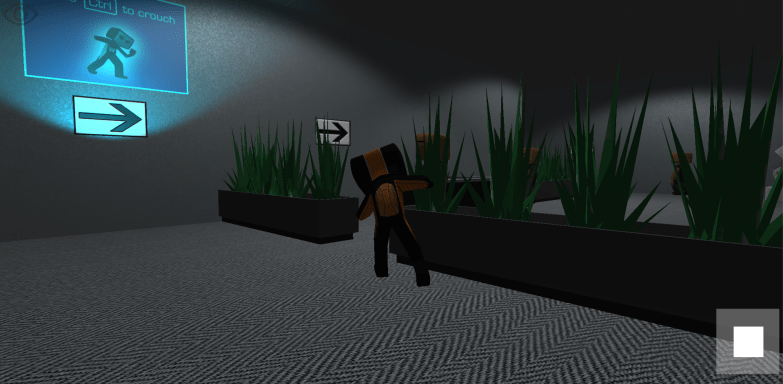
wingman3Stealth is how the game creates tension and challenges the player. Wingman will need to hide from bouncers while completing his mission, or else they’ll throw him off the roof.

I programmed several mechanics that keep the Wingman out of trouble. One of which is disguises. Wingman can find outfits around the party, usually in out-of-the-way or guarded locations. I made each area of the party open only to a certain set of outfits, and no outfit will work absolutely everywhere. This encourages the player to switch outfits often while moving about between zones, making them feel stealthy and tactical.

Another mechanic I added to help the player stay incognito is distractions. Nearly every item at a party can be picked up and thrown, drawing bouncers away from their posts. Not only does this give the player another tool to evade bouncers, it also ensures that every object has at least some value, and reinforces the sense of freedom the player has by allowing them to interact in at least one way with nearly everything at a party.

Last but certainly not least, I gave the player the ability to blend in with party guests by dancing. Bouncers will have a harder time spotting the player if they dance in places that have a lot of people dancing. Playtesters really liked this mechanic and would often use it just for fun.

I wrote all the music in the game using FL Studio, I also mixed and edited sound effects and ambient noise.

Chet Engine

About Me          |          Resume          |          Contact Me          |          GitHub


C++      GLSL       Qt


Chet Engine is my own personal game engine, built from the ground up in C++. It uses OpenGL for graphics rendering.

engine1

Here I use a cube and an ogre face to demonstrate advanced lighting shaders that use specular lighting, tangent-normals, and ambient occlusion.

engine3

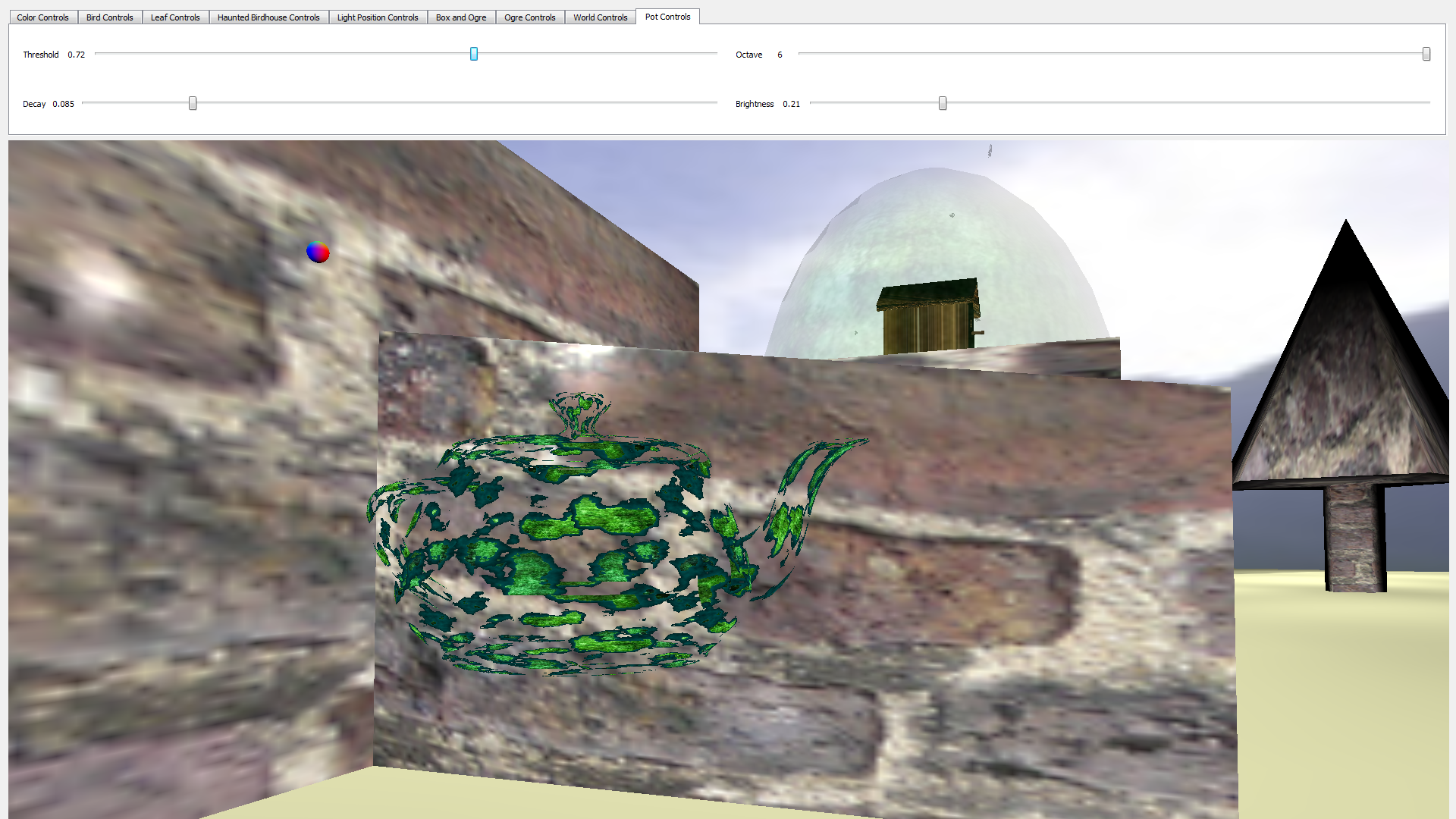
Here I use a teapot to demonstrate dissolve shaders. In the background, a spooky aura around a birdhouse demonstrates transparency shaders.

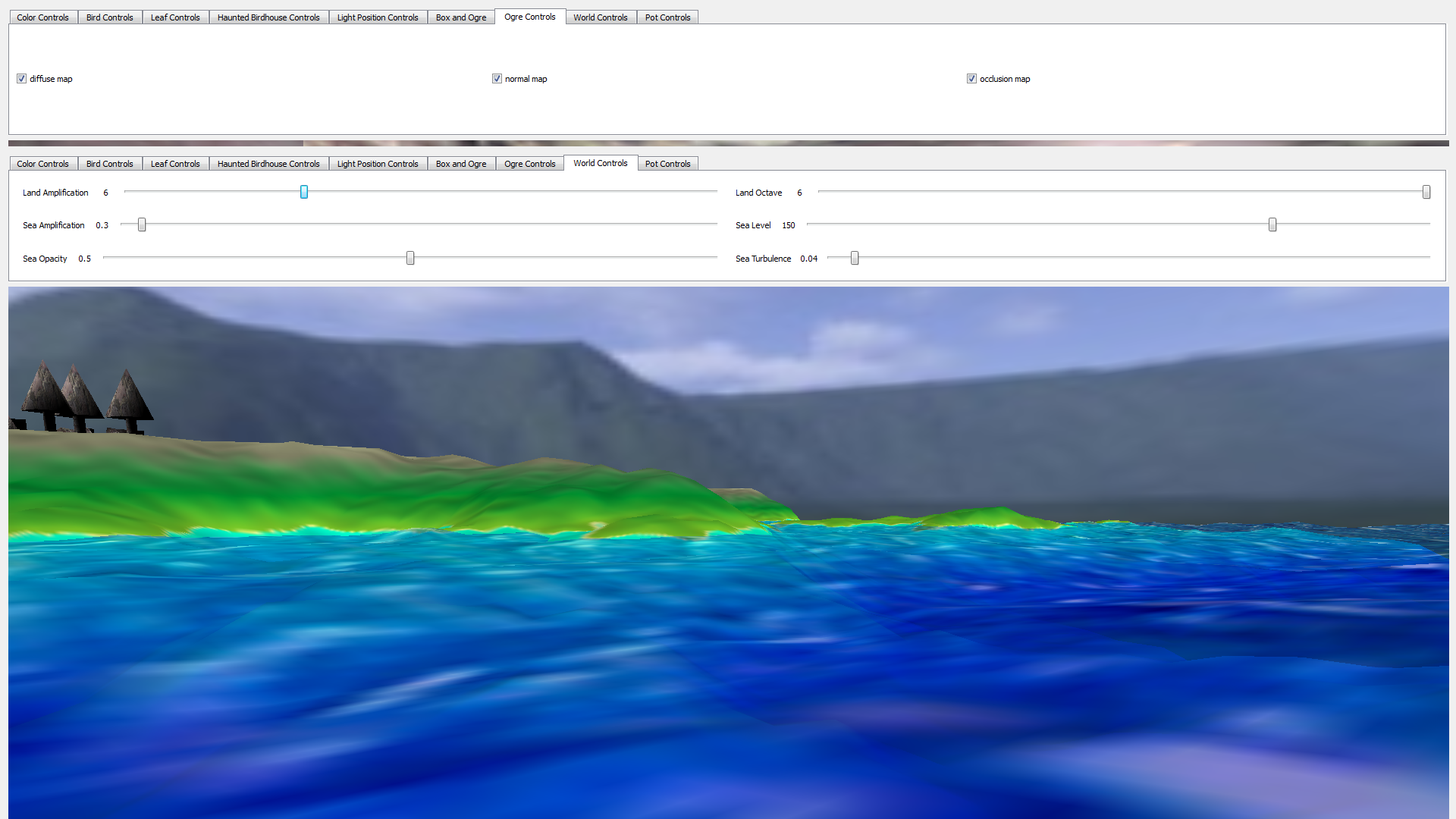
engine2The terrain and water here demonstrate noise and heightmaps.

To see my engine in action, see the game I made in it here.

Vivit

About Me          |          Resume          |          Contact Me          |          GitHub


C#     Unity    FLStudio


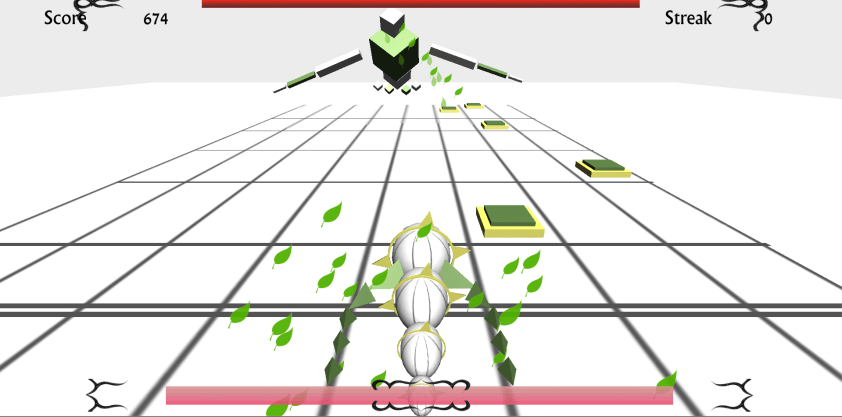
Play as Vivit, a musical being that does battle with musical monsters. The player must steer into the notes as they come to survive the musical onslaught. Missing a note does damage to the player, and the player does damage to the boss by hitting every note of a run of golden notes. If the player runs out of health or reaches the end of the song without defeating the boss, they lose.

Vivit1

Vivit snaps loosely to the space between bars on the floor. This allows the player freedom of movement, but not so much that the player feels sloppy in moving from note to note.

Dragon!

About Me          |          Resume          |          Contact Me          |          GitHub


C#     Unity     Maya


GitHub

Play as one of the four shape-shifting villagers or as a fire-breathing dragon in this asymmetrical multiplayer, action-survival game. As a villager, players must shape-shift into inconspicuous objects throughout the level in order to survive, but must work together to defeat the dragon with bows and arrows. As the dragon, players must find and burn each villager, while also laying waste to the village until nothing remains. For a more engaging and fun experience, Dragon! supports the use of the Oculus Rift for players in the dragon role. Dragon! is being developed by Studio Unleashed, a team of 5 people, using the Unity3D game engine.

??????????????????

Using my own application called Neolithic, which you can learn more about here, I created the world the game is set in. The world contains several auto-generated villages, one of which I crafted into a town with visually distinct districts with landmarks that help orient the players.

I programmed controls and movement for both villagers and the dragon. For the dragon I made two control schemes: a simple arcade scheme of up, down, left, and right; and an airplane-like scheme of pitch, roll, and yaw.

Untitled4

I programmed the mimicry mechanic for villagers. When looking at a small object in the world, players can chose to become that object to hide from the dragon. Part of the fun of this mechanic is the novelty of playing as something absurd like a flower pot. Above is a player disguised as a cabbage exploring the expanse of the game world, and below is a player narrowly evading dragon fire by pretending to be a crate.

??????????????????

Players in the villager role can shoot arrows, from an over-the-shoulder perspective. I made the camera smoothly transition between overhead and over-the shoulder-views. Here are two players taking on the dragon from different angles.

??????????????????

Firewall

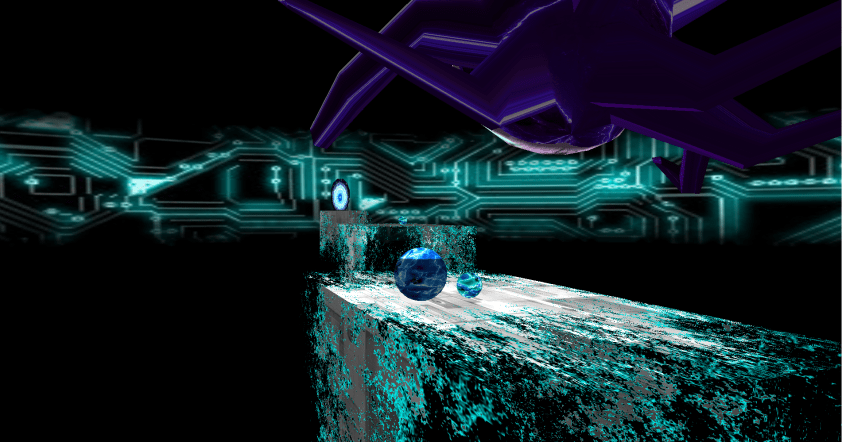
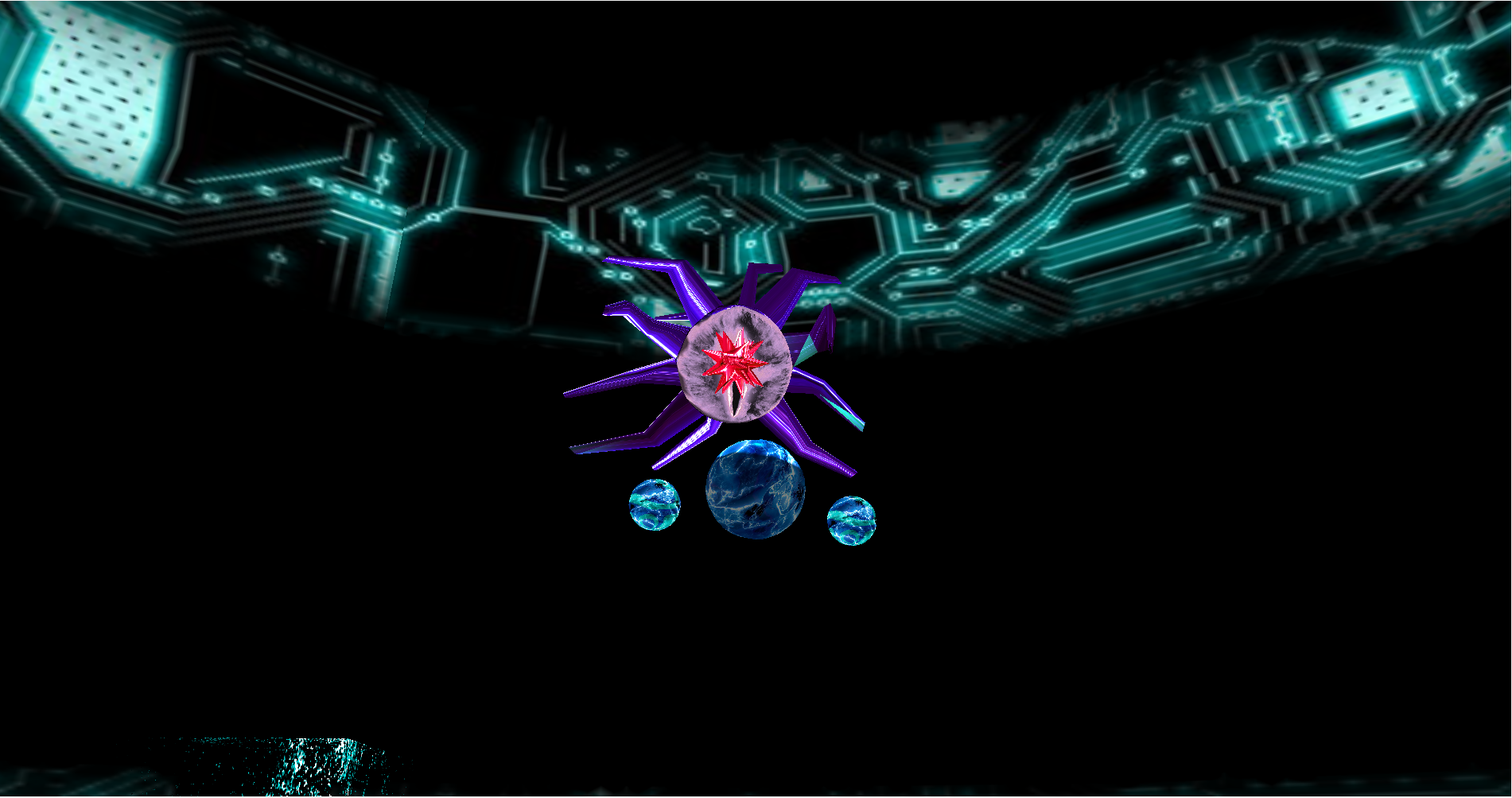
Play as a ball of data trying to escape from an infected computer. The player must platform their way to the exit portal of each level while running away from the virus. However, the platforms are invisible, and the player must throw a ping ball at them to push the corruption away. The player also has a fireball to throw at the virus. The virus can be knocked back but not destroyed. I built Firewall in my own engine, called Chet Engine, which you can read about here.

Firewall2

Here, a player throws a fireball at the virus. The virus slows down as it gets closer, until it reaches a certain distance at which it suddenly pounces.